 MENU
MENU


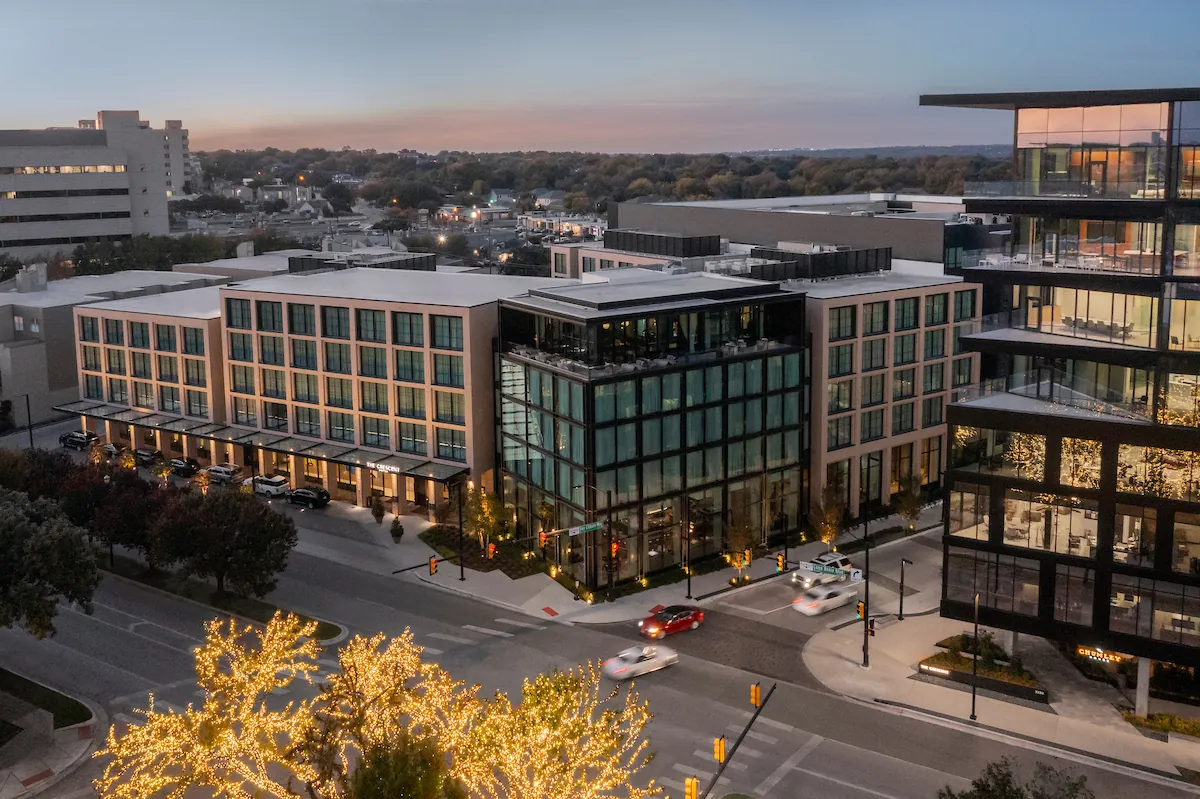
A hotel stay begins before the room key turns. It begins with the first view of the building, the first impression of the lobby, the feeling of the light, the way artwork holds the eye, the sound of a bar coming alive at the end of the day, and the small details that make a room feel considered rather than simply furnished. At The Crescent Hotel, Fort Worth, design is not decoration. It is part of the experience.
Set in Fort Worth’s Cultural District, The Crescent is surrounded by some of the city’s most important museums, galleries, gardens, and performance venues. The hotel’s own website describes its location as the crossroads of Fort Worth’s historic Cultural District, downtown core, and surrounding historic neighborhoods. This matters because The Crescent does not feel detached from its setting. It feels shaped by it.
Fort Worth is a city where art and architecture carry real weight. The Kimbell Art Museum is located at 3333 Camp Bowie Boulevard and is open Tuesday through Sunday, with Friday hours extending into the evening. The Modern Art Museum of Fort Worth sits nearby at 3200 Darnell Street, while the Amon Carter Museum of American Art highlights a renowned collection of American art in the heart of the Cultural District.
The Crescent’s design takes this cultural setting seriously. Its art collection draws inspiration from the Modern, Kimbell, Amon Carter, and the broader Cultural District. The collection features national and international artists and spans sculpture, bronze, paintings, photographs, and relief works.
That kind of curation changes the stay. It means the hotel is not merely near the museums; it participates in the same creative language. Guests are invited to notice, pause, compare, and carry the experience of the neighborhood back into the property.
Design is most personal in the guest room. It is where scale, texture, comfort, and function have to work together. The Crescent’s accommodations are described as contemporary, light-filled sanctuaries, with the hotel offering 200 rooms, including 129 kings and 12 suites. Rooms feature rich marble accents, custom artwork inspired by the Cultural District, plush robes and slippers, Nespresso coffee makers, lounge seating, and workstations.
These details do more than sound luxurious. They shape how a guest moves through the day. A workstation supports the executive traveler who wants to answer emails before heading into a meeting. A lounge area creates space to read after a museum visit. A marble bath turns the end of the day into a ritual. Custom artwork keeps the Cultural District present, even when the guest is back behind the door of a private room.
Suites extend this feeling with more space and individuality. The hotel notes that each suite offers a unique experience, with rich marble accents, custom artwork, fresh furnishings, plush robes and slippers, Nespresso coffee makers, lounge seating, and workstations. For guests planning a romantic weekend, cultural getaway, or longer Fort Worth stay, that added space can transform the room from accommodation into retreat.
The Crescent’s art collection is one of the clearest expressions of its design philosophy. The hotel notes that Mònica Subidé’s work in The Circle Bar pays tribute to the Fort Worth Circle, a group of artists active in the 1940s and 1950s. It also highlights a nine-foot-tall courtyard sculpture by Jose Dávila, an internationally recognized Mexican sculptor and trained architect.
Those are not generic design notes. They create a sense of place. A guest having a cocktail at The Circle Bar is not simply sitting in a stylish room; they are surrounded by work that speaks to Fort Worth’s artistic history. A guest walking through the courtyard is not passing a decorative object; they are encountering sculpture that explores balance, tension, and stillness.
This is what thoughtful hotel design can do. It can make the stay feel layered. It can turn transitions — from room to lobby, from bar to courtyard, from spa to dinner — into moments worth noticing.
Design also shapes the way guests dine. The Crescent’s dining experiences include Emilia’s, The Blue Room, and The Circle Bar. The Circle Bar offers Social Hour Monday through Thursday from 4:00 p.m. to 6:00 p.m. and live music on Friday nights from 6:00 p.m. to 9:00 p.m.
Each of these spaces gives a different rhythm to the stay. The Circle Bar feels suited to conversation and arrival. Emilia’s becomes the place for dinner, brunch, celebrations, and private dining. The Blue Room adds another layer of evening elegance. For guests who want a hotel that feels alive without feeling overwhelming, this kind of variety is essential.
Private dining also reflects the hotel’s design-minded approach. Emilia’s offers a 12-person Wine Room with a view into the restaurant and an 18-person Private Dining Room overlooking the outdoor patio. These settings allow celebrations to feel intimate, polished, and connected to the larger energy of the property.
At The Crescent, wellness is not treated as an afterthought. Canyon Ranch Wellness Club + Spa brings together fitness, spa, salon, and beauty facilities. The wellness center includes a 9,000-square-foot fitness center for hotel guests and an 11,000-square-foot spa with treatment rooms, steam rooms, steam showers, a private seating area, and couples treatments.
That matters because wellness is also design. It is the design of time, pace, privacy, and restoration. A guest can move from a morning workout to a museum afternoon to an evening dinner without leaving the framework of a stay that feels considered from start to finish.
The best hotel design is not only seen. It is felt. It affects how quickly guests exhale when they arrive, how easily they settle into a room, how naturally they move from one part of the property to another, and how clearly they remember the experience after leaving.
At The Crescent Hotel, Fort Worth, design is the thread that ties together art, architecture, dining, wellness, and place. It is a hotel shaped by the Cultural District and designed for guests who notice the details. For travelers who believe where you stay should be part of why you travel, The Crescent turns a Fort Worth visit into something more expressive, more refined, and more memorable.
 BOOK
BOOK